




How do peptides work? The Complete Guide to Peptide Therapy


Legal & Medical Disclaimer
The information provided on this page by PeptideMatch.io is intended solely for educational and informational purposes. It does not constitute, and should not be interpreted as, professional medical advice, diagnosis, or treatment. Always consult a licensed physician or qualified healthcare provider before beginning any peptide therapy or making changes to an existing treatment plan. PeptideMatch.io does not prescribe, dispense, or endorse any specific therapeutic protocol. Individual results may vary, and no outcomes are guaranteed.
1. What Are Peptides?

At the most fundamental level, peptides are short chains of amino acids linked together by peptide bonds. They are structurally similar to proteins, but the distinction lies in their size.

While proteins have long folded chains of more than 50 amino acids, peptides are smaller, usually between two and 50 amino acids.1,2 This smaller size allows them to more easily penetrate tissues and enter the bloodstream, making them highly effective signaling molecules within the body.
Peptides are typically categorized by the number of amino acids in their chain. Once a chain has more than about 50 amino acids, it’s generally classified as a protein. Size matters because it influences how well a peptide is absorbed and how it functions (bioavailability). Smaller peptides tend to be absorbed quickly and often serve as simple messengers or basic building blocks. Mid-sized peptides include many of the body’s hormones and neuropeptides, carrying targeted instructions between cells. Larger polypeptides typically take on more complex roles, like GLP-1’s role in regulating appetite and blood sugar (drugs like Wegovy, Ozempic, etc.).
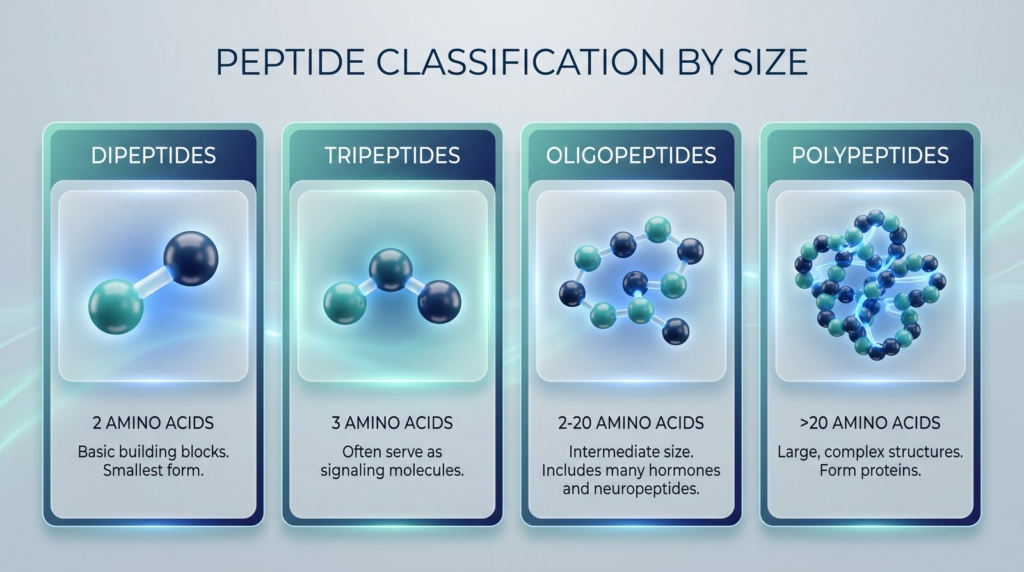
Peptides are naturally occurring biological molecules that govern nearly every process in our body. They act as messengers, transmitting information between cells and tissues to regulate functions such as digestion, metabolism, immune response, and tissue repair. Insulin, for example, is a well-known peptide hormone that regulates blood sugar. Because the body produces these naturally, peptide therapies often present a lower risk of toxicity and adverse reactions compared to synthetic small-molecule drugs.3
2. A Brief History of Peptides

The history of peptide-based drugs began over a century ago, and marks a significant milestone in medicine. The discovery and isolation of insulin in 1921 by Frederick Banting and Charles Best revolutionized the treatment of diabetes. By 1923, insulin became the first commercial peptide drug, saving countless lives and establishing the foundation for future peptide research.1
For decades, the production of therapeutic peptides relied heavily on extracting them from natural sources, such as animal pancreases. However, as technology advanced, so did the ability to produce peptides in a laboratory. The 1950s through the 1990s saw the identification of numerous peptide hormones and their receptors, leading to the development of synthetic versions of oxytocin and vasopressin.1
Oxytocin is best known for its role in childbirth, where it helps start labor and prevents dangerous bleeding after a baby is born. It also helps with breastfeeding and is often called the “bonding hormone” because it helps us build trust and connect with others. Vasopressin, on the other hand, is the body’s main tool for managing water balance and keeping blood pressure steady during emergencies. It is commonly used to treat conditions like excessive thirst and frequent urination, as well as helping to stop nighttime bedwetting.
Today, peptides have become a cornerstone of modern medicine. More than 100 peptide-based drugs are approved by the FDA and available with a prescription.
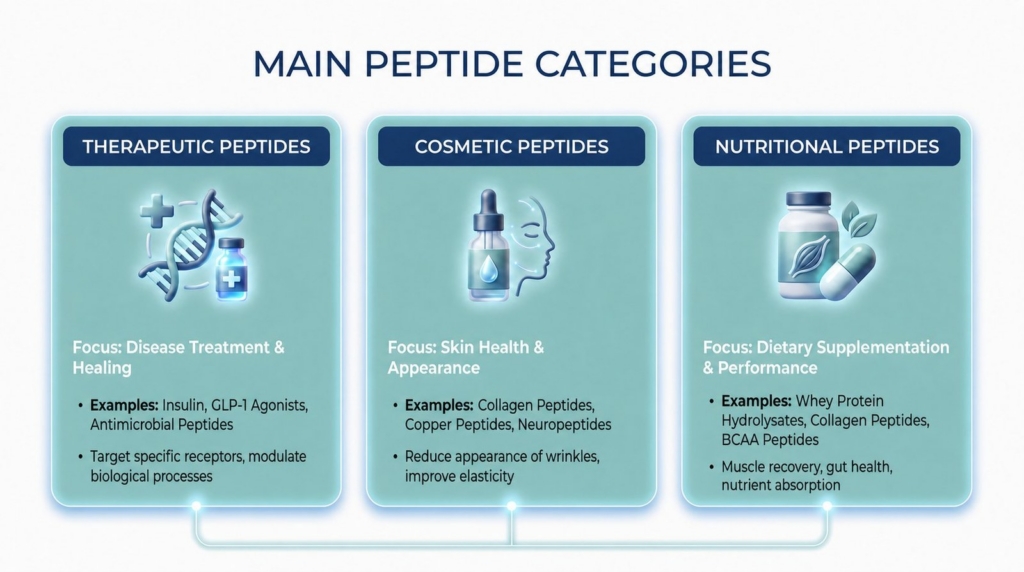
Doctors use these therapeutic peptides to treat conditions like diabetes, cancer, osteoporosis, and obesity, with dozens more in active clinical development.4 The cosmetics industry uses peptides in creams and serums to boost collagen, reduce the appearance of fine lines and wrinkles, or reduce skin pigmentation, while nutritional peptides such as collagen and creatine are used in many popular supplements for performance and muscle recovery.
3. How Peptide Therapy Works

Peptide therapy involves administering specific peptides to produce targeted biological effects. Peptides act as cellular messengers, working through a “lock and key” model: a peptide (the key) binds to a specific receptor on a cell’s surface (the lock), triggering a chain of signals inside the cell that influence its activity.
It’s important to distinguish receptor-level precision from overall systemic effects. Even though a peptide binds only to certain receptors, the resulting biological response can spread throughout the body. For instance, growth-promoting peptides that raise IGF-1 levels do so systemically. Because of this, peptide therapy requires careful medical supervision especially for patients with a history of cancer since systemic growth signals could, in theory, stimulate the growth of undiagnosed tumors.
In clinical use, peptides are delivered in several forms. Subcutaneous injections are common, but some are available as topical creams (particularly in dermatology), or as oral and sublingual formulations.
4. How Therapeutic Peptides Are Made
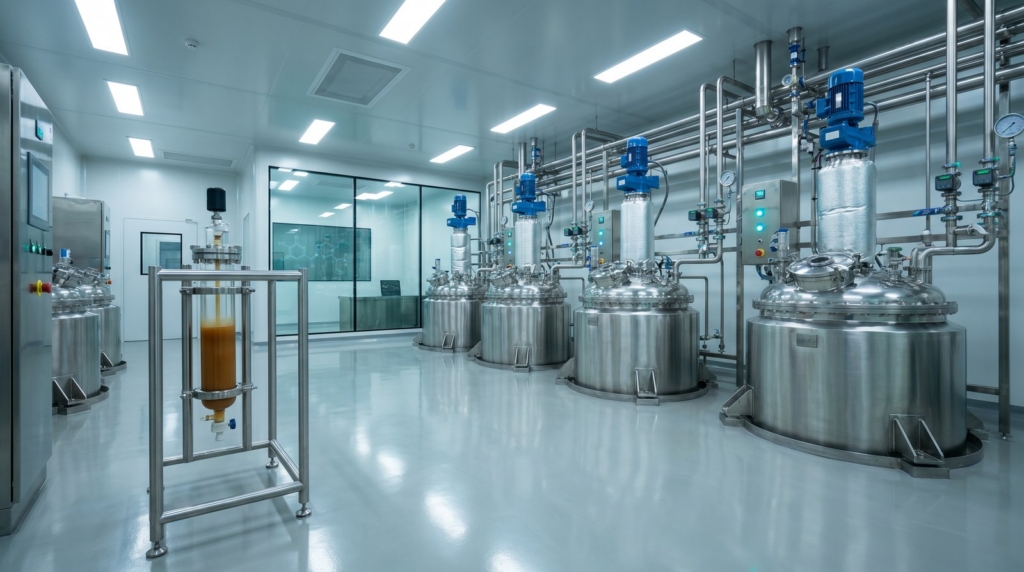
Making therapeutic peptides is a complex process, but modern technology has made it much more precise and reliable over time. Early peptide medications, were taken from animal sources. Today, most therapeutic peptides are made in laboratories using advanced manufacturing methods such as chemical synthesis or recombinant DNA technology. One of the most common methods is called Solid-Phase Peptide Synthesis (SPPS), which is mainly used for peptides made of up to 50 amino acids.1,5
In SPPS, the peptide is built one step at a time on a solid surface. Amino acids are added in a specific order in a carefully controlled environment, so the final peptide matches the intended sequence exactly. This process is highly automated and can produce peptides that are identical to those naturally found in the body, as well as modified versions designed to last longer or remain more stable.1
After the peptide is made, it must be carefully purified. The manufacturing process creates the target peptide, but also leaves behind unwanted byproducts such as leftover chemicals, salts, or incomplete peptide fragments. To remove these impurities, manufacturers use a purification method called High-Performance Liquid Chromatography. This process helps ensure the final product meets strict purity and safety standards required for human use.1
5. Weight Loss & Metabolic Health
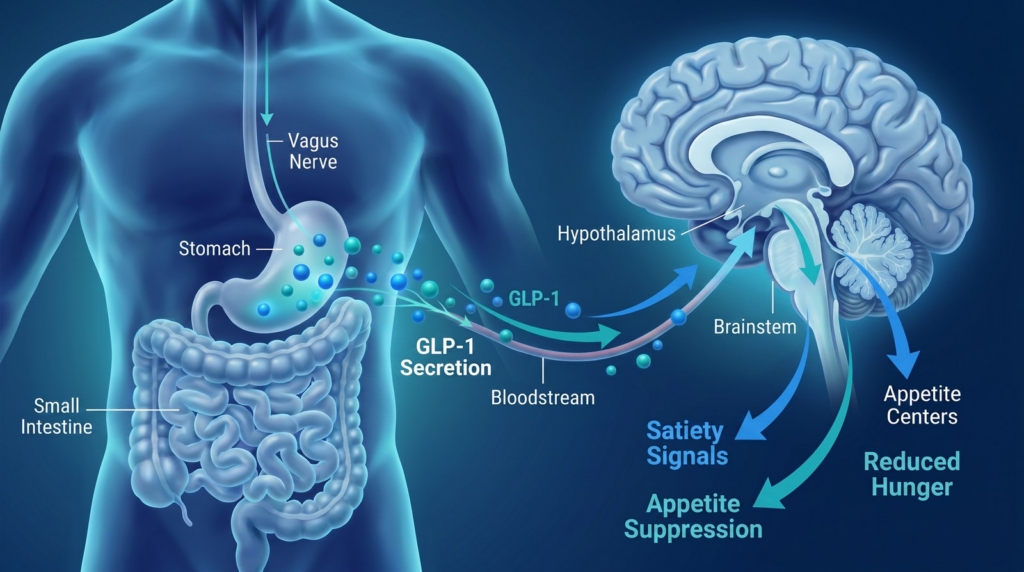
One of the most revolutionary applications of peptide therapy has been in the realm of metabolic health and weight management. This category is dominated by GLP-1 (glucagon-like peptide-1) receptor agonists and GIP (glucose-dependent insulinotropic polypeptide) analogs. These peptides mimic natural incretin hormones produced in the gut, which regulate insulin secretion, glucagon suppression, and gastric emptying.6,7 By slowing digestion and acting on appetite centers in the brain, they significantly reduce hunger and promote sustained weight loss.
| Peptide | Mechanism of Action | Functional Role | Regulatory Status |
|---|---|---|---|
| Semaglutide | Glucagon-like peptide-1 (GLP-1) receptor agonist | Significant weight loss, improved glycemic control, cardiovascular risk reduction.6 | FDA approved (type 2 diabetes; chronic weight management) |
| Tirzepatide | Dual glucose-dependent insulinotropic polypeptide (GIP) / GLP-1 receptor agonist | Enhanced weight loss and blood sugar regulation via dual-action pathways.7 | FDA approved (type 2 diabetes; chronic weight management) |
| Liraglutide | GLP-1 receptor agonist (daily) | Appetite suppression, weight management, and improved insulin sensitivity.8 | FDA approved (type 2 diabetes; chronic weight management) |
| Retatrutide | GLP-1, GIP, and glucagon receptor agonist (triagonist) | Substantial weight loss observed in phase 2 trials with adults with obesity.9 | Not FDA approved |
| Tesofensine | Triple monoamine reuptake blocker | Suppresses appetite and increases resting energy expenditure.10 | Not FDA approved |
| AOD-9604 | Modified fragment of human growth hormone (HGH) | Stimulates lipolysis (fat burning) without affecting blood sugar or tissue growth.11 | Not FDA approved |
6. Growth Hormone Optimization
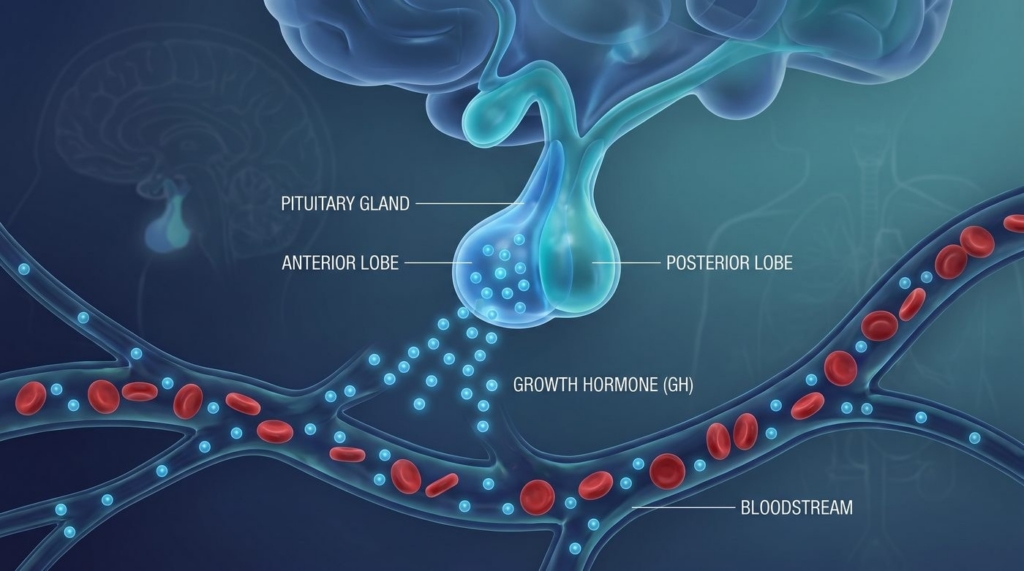
As the body ages, natural production of human growth hormone (HGH) decreases. This decline can contribute to reduced muscle mass, increased body fat, slower recovery, and lower energy levels. Instead of directly replacing HGH, which may lead to side effects or reduce the body’s natural response over time, some peptide therapies use compounds called growth hormone secretagogues (GHS). Secretagogues are substances that tell the body to release more of its own hormones.
These peptides encourage the pituitary gland to release the body’s own growth hormone in a more natural, regulated pattern.11,12
| Peptide | Mechanism of Action | Functional Role | Regulatory Status |
|---|---|---|---|
| Sermorelin | Growth hormone-releasing hormone (GHRH) analog | Stimulates natural HGH production, improves sleep architecture, and supports body composition.12 | Not FDA approved (compounded only) |
| Ipamorelin | Selective growth hormone secretagogue (GHS); ghrelin mimetic | Stimulates HGH release without elevating cortisol or prolactin levels.13 | Not FDA approved (compounded only) |
| CJC-1295 | Long-acting GHRH analog | Provides sustained increases in baseline HGH and insulin-like growth factor 1 (IGF-1) levels.14 | Not FDA approved (compounded only) |
| Tesamorelin | GHRH analog | Specifically targets and reduces visceral adipose tissue (belly fat).15 | FDA approved (HIV-associated lipodystrophy) |
| MK-677 (Ibutamoren) | Oral ghrelin receptor agonist | Increases HGH and IGF-1 levels, promotes muscle growth and bone density.16 | Not FDA approved |
7. Tissue Repair & Healing

Peptides have demonstrated remarkable potential in accelerating the healing of musculoskeletal injuries, wounds, and systemic inflammation. By promoting angiogenesis (the formation of new blood vessels), modulating inflammatory pathways, and stimulating collagen synthesis, research has shown that these peptides can significantly reduce recovery times for athletes and patients recovering from surgery or chronic joint pain.16,17
| Peptide | Mechanism of Action | Functional Role | Regulatory Status |
|---|---|---|---|
| BPC-157 | Derived from human gastric juice protein | Accelerates healing of tendons, ligaments, and gut lining; promotes angiogenesis.17 | Not FDA approved |
| TB-500 | Synthetic fraction of Thymosin Beta-4 | Upregulates actin, promotes cell migration, reduces inflammation, and improves flexibility.18 | Not FDA approved |
| KPV | Alpha-melanocyte-stimulating hormone (alpha-MSH) derivative | Potent anti-inflammatory properties, particularly effective for gut and skin conditions.19 | Not FDA approved |
| Pentosan Polysulfate | Not a peptide, semi-synthetic polysulfated xylan | Drug candidate designed to reduce joint pain, calm inflammation, and improve cartilage health.20 | FDA approved (interstitial cystitis) |
8. Immune System Modulation
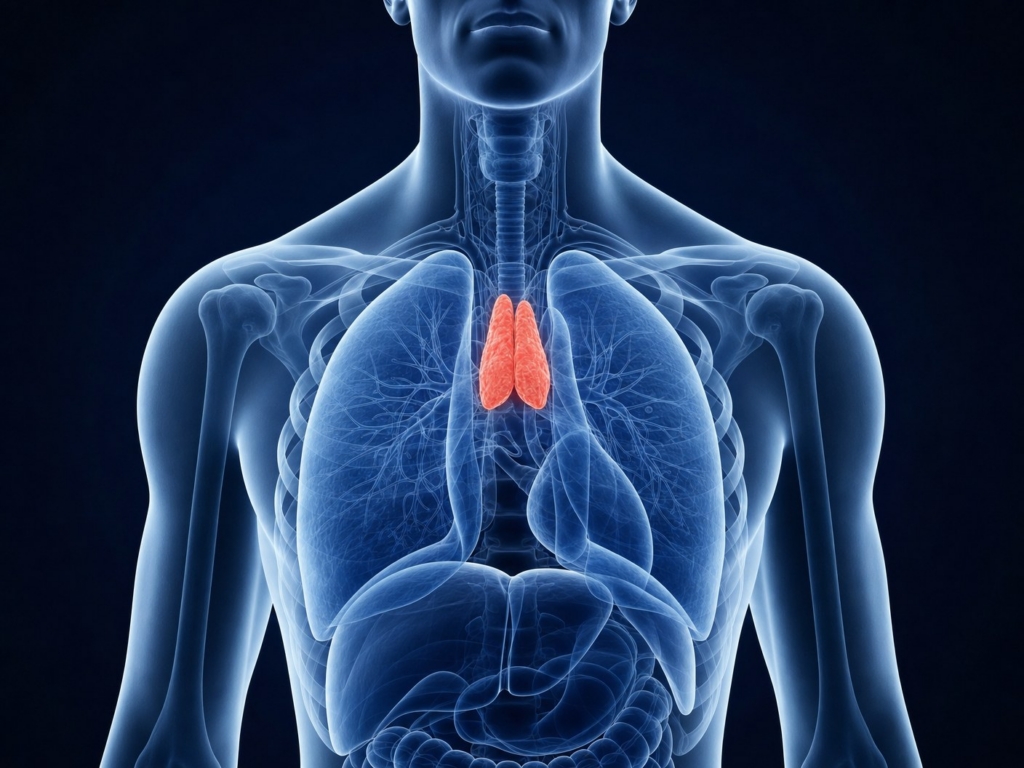
The thymus gland is central to the development and maturation of T-cells, the primary defenders of the immune system. As we age, the thymus naturally shrinks (involution), leading to diminished immune function. Thymic peptides have been studied for their ability to restore immune balance, acting as immunomodulators that either stimulate a suppressed immune system, or calm an overactive autoimmune response.20,21
| Peptide | Mechanism of Action | Functional Role | Regulatory Status |
|---|---|---|---|
| Thymosin Alpha-1 | Naturally occurring thymic peptide | Enhances T-cell function, improves vaccine response, and combats chronic viral infections.21 | Not FDA approved |
| LL-37 | Antimicrobial peptide (Cathelicidin) | Broad-spectrum antibacterial, antiviral, and antifungal activity; promotes wound healing.23 | Not FDA approved |
| VIP | Neuroendocrine peptide | Regulates systemic inflammation; researched as a potential treatment for chronic inflammatory response syndrome.24 | Not FDA approved |
9. Cognitive Enhancement

Nootropic peptides are designed to cross the blood-brain barrier and interact directly with the central nervous system. They influence neurotransmitter levels, promote neurogenesis, and protect neurons from oxidative stress. While the clinical evidence for cognitive enhancement is still developing compared to metabolic applications, these peptides show promise for improving memory, focus, and neuroprotection.24,25
| Peptide | Mechanism of Action | Functional Role | Regulatory Status |
|---|---|---|---|
| Dihexa | Angiotensin IV analog | Promotes synaptogenesis; potential for neurodegenerative conditions.25 | Not FDA approved |
| Semax | Adrenocorticotropic hormone analog | Increases brain-derived neurotrophic factor; enhances focus, memory, and learning.26 | Not FDA approved |
| Selank | Tuftsin analog | Reduces anxiety, stabilizes mood, and improves cognitive function under stress.27 | Not FDA approved |
| Cerebrolysin | Porcine brain-derived peptide mixture | Neurotrophic and neuroprotective effects; researched for use in stroke recovery and traumatic brain injury.28 | Not FDA approved |
10. Sexual Health
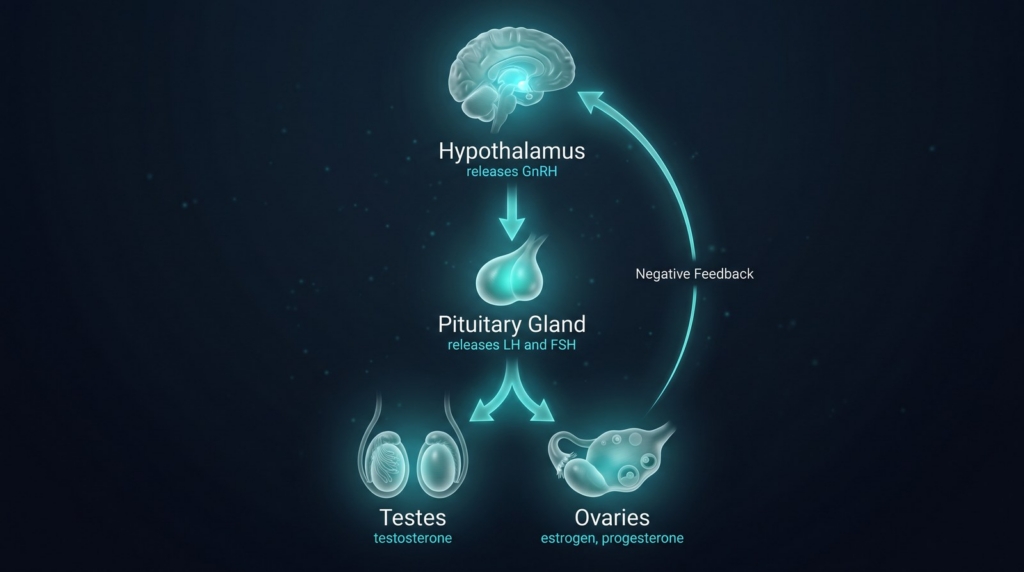
Sexual function is regulated by the hypothalamic-pituitary-gonadal (HPG) axis, the chain of glands that controls reproductive hormones. The hypothalamus and pituitary gland sit at the top of this system, acting as the command center that signals the testes or ovaries to produce the sex hormones responsible for desire, arousal, and reproductive function.
Peptides are being studied for several possible roles in sexual health, depending on the specific peptide and how it works in the body. Unlike medications such as sildenafil or tadalafil, which mainly increase blood flow to the genitals, some peptides work in the brain instead of the blood vessels. These peptides affect signals involved in sexual interest and desire and have been studied for low sexual desire in both men and women. However, research is still evolving, and not all peptide therapies are FDA-approved for these uses.
| Peptide | Mechanism of Action | Functional Role | Regulatory Status |
|---|---|---|---|
| PT-141 (Bremelanotide) | Melanocortin receptor agonist | Acts on the brain to increase sexual desire and arousal; treats hypoactive sexual desire disorder (HSDD).29 | FDA approved (HSDD in premenopausal women) |
| Melanotan II | Synthetic analog of alpha-MSH | Stimulates melanogenesis (tanning) and significantly increases libido and erectile function.30 | Not FDA approved |
| Kisspeptin-10 | Neuropeptide regulating the HPG axis | Stimulates the release of gonadotropin-releasing hormone, modulating reproductive hormones and sexual behavior.31 | Not FDA approved |
11. Skin Health & Anti-Aging
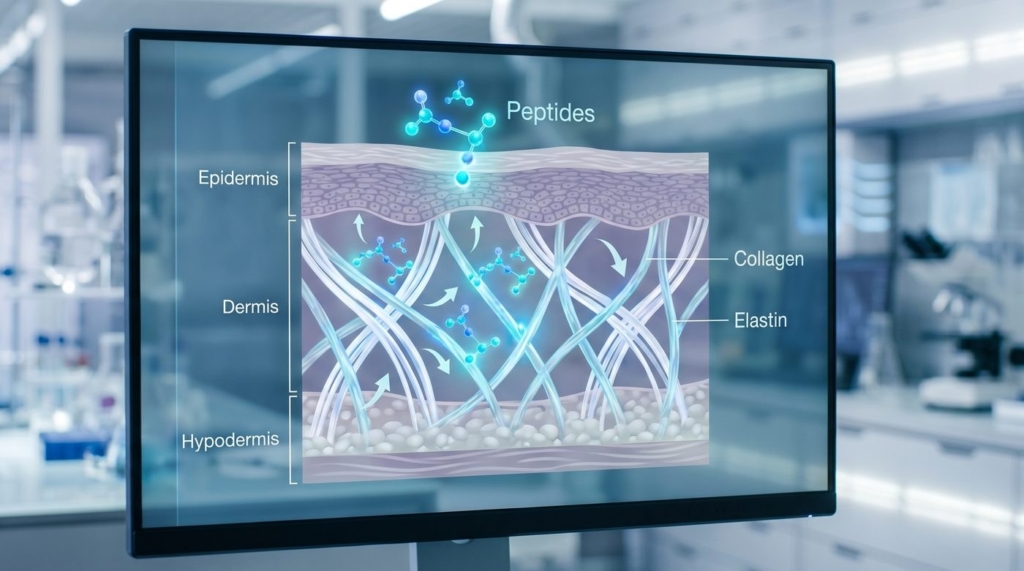
In the field of dermatology and aesthetic medicine, topical and injectable peptides are used in many anti-aging therapies. They work by stimulating fibroblast cells to produce more collagen and elastin, reducing the appearance of fine lines, improving skin elasticity, and promoting a more youthful complexion.31,32 Unlike prescription drugs, cosmetic ingredients in the US don’t require FDA approval before being sold. Manufacturers are responsible for ensuring their products are safe, and the FDA can take action against ingredients shown to be unsafe.
| Peptide | Mechanism of Action | Functional Role | Regulatory Status |
|---|---|---|---|
| GHK-Cu (Copper Peptide) | Naturally occurring copper complex | Stimulates collagen/elastin production, reduces the appearance of fine lines, and promotes hair growth.32 | Not FDA approved (cosmetic ingredient) |
| Argireline | Acetyl Hexapeptide-8 | Blocks neurotransmitter release at the neuromuscular junction, relaxing facial muscles.33 | Not FDA approved (cosmetic ingredient) |
| Matrixyl 3000 | Palmitoyl Pentapeptide-4 | Stimulates the skin matrix to produce collagen, reducing wrinkle depth and volume.34 | Not FDA approved (cosmetic ingredient) |
12. Sleep & Circadian Rhythm

Quality sleep is foundational to physical recovery, cognitive function, and hormonal balance. Deep, slow-wave sleep is the period during which the body naturally releases the highest amounts of growth hormone. Peptides that induce deep sleep not only improve rest but also amplify the body’s natural restorative processes.34,35
| Peptide | Mechanism of Action | Functional Role | Regulatory Status |
|---|---|---|---|
| DSIP | Naturally occurring neuropeptide | Promotes deep, slow-wave sleep, normalizes circadian rhythms, and reduces stress.35 | Not FDA approved |
| Epitalon | Synthetic derivative of Epithalamin | Regulates melatonin production via the pineal gland, resets circadian rhythm, and exhibits anti-aging properties.36 | Not FDA approved |
13. The Safety of Peptide Therapy
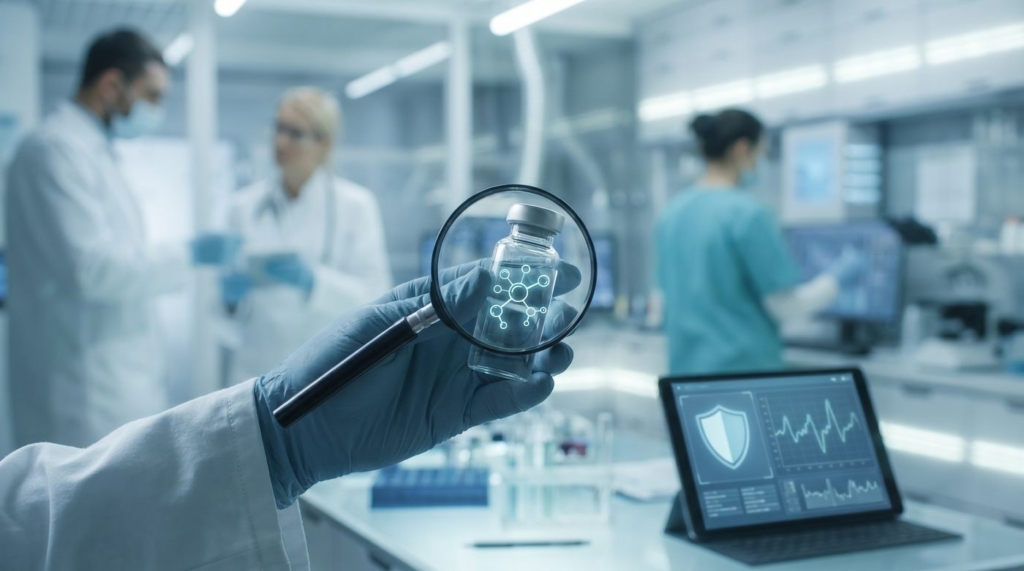
Because peptides are composed of amino acids that naturally occur in the body, they generally possess a favorable safety profile. The body possesses natural enzymes that rapidly break down peptides into individual amino acids, preventing accumulation and reducing the risk of long-term toxicity.2 In fact, over 11% of all new pharmaceutical chemical entities authorized by the FDA between 2016 and 2024 were synthetically manufactured peptides, a testament to the growing clinical confidence in this therapeutic class.2
However, safety is highly dependent on the quality of the peptide and the level of clinical oversight. Some patients could have an immune response to peptide therapy that was not intended. This can lead to the formation of antidrug antibodies, which may neutralize the peptide’s effectiveness or cause adverse reactions.2 The peptide sequence itself can cause this response but, most commonly, it happens when impurities are introduced during the manufacturing or formulation process. Regulatory agencies like the FDA and Europe’s equivalent, the European Medicines Agency, now require new peptide drugs to be tested thoroughly for immune-response risks.2
When pharmaceutical-grade peptides are prescribed by a qualified healthcare provider and properly dosed, they are typically well-tolerated, with the most common side effects being mild and localized, such as redness, itching, or swelling at the injection site. Furthermore, because certain peptides can stimulate systemic growth factors, they must be used with extreme care in individuals with a personal or family history of cancer or endocrine disorders. True precision medicine involves a comprehensive diagnostic audit to ensure therapy doesn’t stimulate undiagnosed tumors.3
14. Legal Status of Therapeutic Peptides

The regulatory landscape for therapeutic peptides in the United States is complex and rapidly evolving. Peptides generally fall into two categories: FDA-approved medications and compounded medications. More than 100 peptide drugs have received formal FDA approval for specific indications — for example, semaglutide for diabetes and weight management, or bremelanotide for hypoactive sexual desire disorder.3,36 These medications are tightly regulated and widely prescribed.
Many other peptides are prescribed off-label and prepared by compounding pharmacies under sections 503A or 503B of the Food, Drug, and Cosmetic Act. Category 1 peptides can be compounded with a prescription, while Category 2 peptides are restricted or banned due to safety concerns or lack of clinical data.
There is a growing movement to re-examine restrictions placed on innovative peptide therapies. On July 23-24, 2026, an FDA advisory committee will meet to determine whether to allow compounding pharmacies to produce seven peptides that are currently banned from compounding.
15. Safe Sources for Peptide Therapy

Legitimate therapeutic peptides
Peptides prescribed by a licensed healthcare provider must be filled by a state-licensed compounding pharmacy or dispensed as an FDA-approved commercial product. Licensed compounding pharmacies follow strict quality control standards, use active pharmaceutical-grade ingredients, and provide Certificates of Analysis from independent third-party testing labs to verify the identity, purity, and sterility of the final product.
Other sources of peptides found on social media sites or elsewhere come from “grey” or “black” markets.
Grey market
These peptides may not be illegal to use in most states, but are unregulated, unapproved, and sold mainly by online vendors. They are labeled “for Research Use Only” or “not for human consumption.” These research-grade chemicals are not made under Good Manufacturing Practice standards and may contain heavy metals, toxins, or incorrect dosages.
Black market
These peptides are explicitly illegal, with a high risk of contamination, and may even contain fake product. The FDA has issued numerous warnings against the use of unapproved, research-grade peptides for clinical treatment.
The safety of peptide therapy relies on the source of the medication. If a peptide does not come with a physician’s prescription and a Certificate of Analysis from an accredited third-party lab, it should not be used. There is no safe shortcut when it comes to pharmaceutical-grade compounds.
Patients considering peptide therapy should also work with a reputable medical clinic that provides physician oversight, individualized treatment plans, clear dosing guidance, access to Certificates of Analysis, and state licensure information.
PeptideMatch.io was created to help match patients with verified peptide therapy providers that use licensed compounding pharmacies. We ensure that all verified therapy clinics on our platform are trusted and credentialed. Credentials must include a medical license, NPI number (National Provider Identifier), and a federal Drug Enforcement Agency certificate to allow prescribing of controlled medications.
16. The Future of Peptides
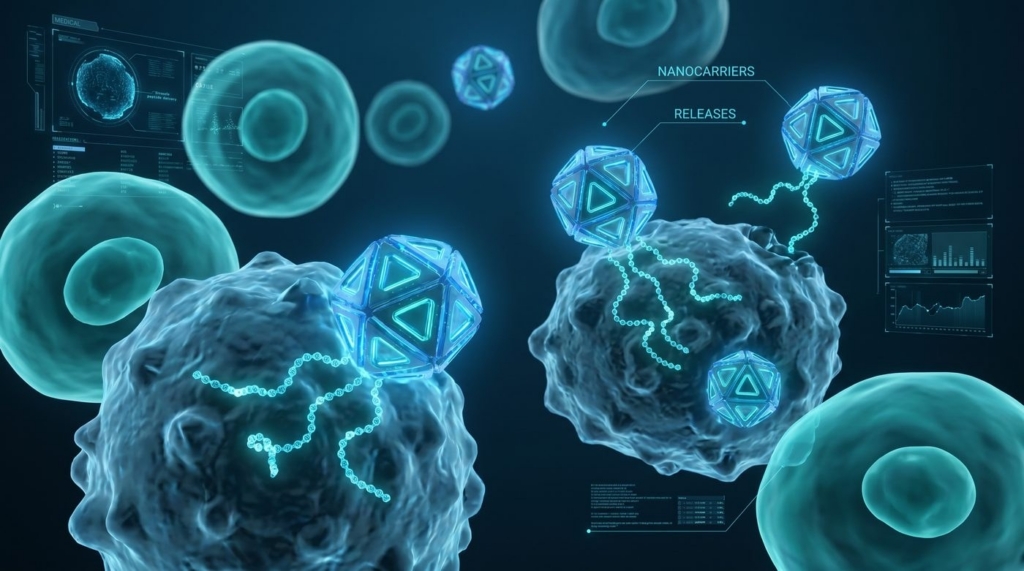
The future of peptide therapy is incredibly promising, sitting at the intersection of precision medicine and advanced biotechnology. With over 600 peptide candidates currently in preclinical trials and hundreds more in clinical development, the pharmaceutical pipeline is robust.2 Historically, the primary limitation of peptide therapy has been its short half-life and the requirement for injection, as stomach acids rapidly destroy oral peptides. However, improvements in how peptides are designed and delivered are helping solve these challenges.
We are witnessing the emergence of orally bioavailable peptides, once-weekly formulations, and targeted delivery mechanisms that direct peptides specifically to diseased tissues while sparing healthy cells.3 As our understanding of the human genome and cellular signaling deepens, peptide therapy will continue to evolve from a specialized anti-aging and performance niche into a cornerstone of mainstream medical treatment, offering personalized, highly targeted solutions for complex chronic diseases.
Key Takeaways
- Peptides are short chains of amino acids that act as highly specific cellular messengers, regulating nearly every physiological process in the body.
- Because they mimic molecules your body already makes, peptide therapies have generally been shown to be highly effective with a lower risk of systemic side effects compared to traditional drugs.
- Modern therapeutic peptides are produced with sophisticated chemical synthesis and require rigorous purification to ensure safety and remove impurities.
- Therapeutic applications span eight major categories, including metabolic health, tissue repair, immune modulation, cognitive enhancement, and more.
- The regulatory landscape is complex and evolving; safe and legal treatment requires working with a licensed medical provider and using state-regulated compounding pharmacies or FDA-approved products.
- Never use “research-grade” peptides purchased online. They lack the safety, purity, and sterility testing required for human use.
Scientific References
- De Luca C, Lievore G, Bozza D, et al. Downstream processing of therapeutic peptides by means of preparative liquid chromatography. Molecules. 2021;26(15):4688.
- Achilleos K, Petrou C, Nicolaidou V, Sarigiannis Y. Beyond efficacy: ensuring safety in peptide therapeutics through immunogenicity assessment. J Pept Sci. 2025;31(6):e70016.
- Muttenthaler M, King GF, Adams DJ, Alewood PF. Trends in peptide drug discovery. Nat Rev Drug Discov. 2021;20(4):309-325.
- Wang L, Wang N, Zhang W, et al. Therapeutic peptides: current applications and future directions. Signal Transduction and Targeted Therapy. 2022;7:48. doi:10.1038/s41392-022-00904-4.
- Chandrudu S, Simerska P, Toth I. Chemical methods for peptide and protein production. Molecules. 2013;18(4):4373-4388.
- Wilding JP, Batterham RL, Calanna S, et al. Once-weekly semaglutide in adults with overweight or obesity. N Engl J Med. 2021;384(11):989-1002.
- Jastreboff AM, Aronne LJ, Ahmad NN, et al. Tirzepatide once weekly for the treatment of obesity. N Engl J Med. 2022;387(3):205-216.
- Pi-Sunyer X, Astrup A, Fujioka K, et al. A randomized, controlled trial of 3.0 mg of liraglutide in weight management. N Engl J Med. 2015;373(1):11-22.
- Jastreboff AM, Kaplan LM, Frías JP, et al. Triple-hormone-receptor agonist retatrutide for obesity — a phase 2 trial. The New England Journal of Medicine. 2023;389(6):514-526.
- Astrup A, Madsbad S, Breum L, et al. Effect of tesofensine on bodyweight loss, body composition, and quality of life in obese patients. Lancet. 2008;372(9653):1906-1913.
- Ng FM, Sun J, Sharma L, et al. Metabolic studies of a synthetic lipolytic domain (AOD9604) of human growth hormone. J Endocrinol. 2000;167(3):405-412.
- Walker RF. Sermorelin: a better approach to management of adult-onset growth hormone insufficiency? Clin Interv Aging. 2006;1(4):307-308.
- Raun K, Hansen BS, Johansen NL, et al. Ipamorelin, the first selective growth hormone secretagogue. Eur J Endocrinol. 1998;139(5):552-561.
- Teichman SL, Neale A, Lawrence B, et al. Prolonged stimulation of growth hormone (GH) and insulin-like growth factor I secretion by CJC-1295, a long-acting analog of GH-releasing hormone, in healthy adults. J Clin Endocrinol Metab. 2006;91(3):799-805.
- Falutz J, Allas S, Blot K, et al. Metabolic effects of a growth hormone-releasing factor in patients with HIV. N Engl J Med. 2007;357(23):2359-2370.
- Murphy MG, Weiss S, McClung M, et al. Effect of alendronate and MK-677 (a growth hormone secretagogue), individually and in combination, on markers of bone turnover and bone mineral density in postmenopausal osteoporotic women. J Clin Endocrinol Metab. 2001;86(3):1116-1125.
- Sikiric P, Seiwerth S, Rucman R, et al. Brain-gut axis and pentadecapeptide BPC 157: theoretical and practical implications. Curr Neuropharmacol. 2016;14(8):857-865.
- Philp D, Kleinman HK. Animal studies with thymosin beta, a multifunctional tissue repair and regeneration peptide. Ann N Y Acad Sci. 2010;1194:81-86.
- Brzoska T, Luger TA, Maaser C, et al. Alpha-melanocyte-stimulating hormone and related peptides: insights into inflammatory disease. Endocr Rev. 2008;29(5):581-602.
- Ghosh P, Smith M, Wells C. Second-line agents in osteoarthritis. Semin Arthritis Rheum. 1993;22(6 Suppl 1):141-152.
- Goldstein AL, Goldstein AL. From lab to bedside: emerging clinical applications of thymosin alpha 1. Expert Opin Biol Ther. 2009;9(4):439-473.
- King R, Tuthill C. Immune modulation with thymosin alpha 1 treatment. Vitam Horm. 2016;102:151-178.
- Vandamme D, Landuyt B, Luyten W, et al. A comprehensive summary of LL-37, the factotum human cathelicidin peptide. Cell Immunol. 2012;280(1):22-35.
- Shoemaker RC, House D, Ryan JC. Vasoactive intestinal polypeptide (VIP) corrects chronic inflammatory response syndrome (CIRS) acquired following exposure to water-damaged buildings. Health. 2013;5(3):396-401.
- Harding JW, Wright JW. Dihexa: a novel angiotensin IV analog that enhances synaptogenesis and cognitive function. J Pharmacol Exp Ther. 2012;343(3):658-667.
- Dolotov OV, Karpenko EA, Inozemtseva LS, et al. Semax, an analog of ACTH(4-10) with cognitive effects, regulates BDNF and trkB expression in the rat hippocampus. Brain Res. 2006;1117(1):54-60.
- Kozlovskaya MM, Kozlovskiy VI, Mikheeva IB, et al. Selank and its mechanisms of action in stress. Neurosci Behav Physiol. 2003;33(9):853-857.
- Guekht AB, Skoog I, Edmundson S, et al. ARTEMIDA trial: a randomized controlled trial to assess the efficacy of cerebrolysin in poststroke cognitive impairment. Stroke. 2017;48(1):126-133.
- Kingsberg SA, Clayton AH, Pfaus JG. The female sexual response: current models, neurobiology, and clinical implications. J Sex Med. 2015;12(10):2044-2053.
- Wessells H, Levine N, Hadley ME, et al. Melanocortin receptor agonists, penile erection, and sexual motivation: human studies with Melanotan II. Int J Impot Res. 2000;12(Suppl 4):S74-S79.
- Comninos AN, Wall MB, Demetriou L, et al. Kisspeptin modulates sexual and emotional brain processing in humans. J Clin Invest. 2017;127(2):709-719.
- Pickart L, Margolina A. Regenerative and protective actions of the GHK-Cu peptide in the light of the new gene data. Int J Mol Sci. 2018;19(7):1987.
- Blanes-Mira C, Clemente J, Jodas G, et al. A synthetic hexapeptide (Argireline) with antiwrinkle activity. Int J Cosmet Sci. 2002;24(5):303-310.
- Schagen SK. Topical peptide treatments with effective anti-aging results. Cosmetics. 2017;4(2):16.
- Kovalzon VM. Delta sleep-inducing peptide (DSIP): a still-unresolved riddle. J Neurochem. 2015;135(1):8-27.
- Khavinson VKh. Peptides and ageing. Neuro Endocrinol Lett. 2002;23(Suppl 3):11-14.
- Luo Y, Luo Y, Fang S, et al. Legal, safety, and practical considerations of compounded injectable semaglutide. J Am Coll Clin Pharm. 2024. doi:10.1002/jac5.1999.
©2026 PeptideMatch.io. All Rights Reserved. This educational content is the exclusive intellectual property of PeptideMatch.io. Reproduction, distribution, republication, or transmission of this material, in whole or in part, in any form or by any means, is strictly prohibited without the prior written consent of PeptideMatch.io.
For licensing or reprint inquiries, please contact content@peptidematch.io.
Ready to take the next step?
Find a verified peptide therapy provider or list your practice and connect with patients actively seeking trusted care.