


What An Injectable Peptide Recall Means for Patients and Providers


Key Takeaways
- The Centric Compounding recall named six specific lots of Glutathione 200 mg/mL, Myer’s Cocktail, and Tri-Immune Boost. It was not a blanket recall of peptide therapy.
- The company announcement was dated September 9, 2026; the FDA lists September 11 as the company announcement date and posted the notice on September 13.
- Endotoxins are substances associated with certain bacteria. In an injectable, high levels are a quality concern, which is why the named lots were recalled.
- Patients should check the product name and lot number, stop using any vial named in the recall, and contact their provider if they have concerns or symptoms.
What Happened in the Injectable Glutathione Recall?
According to an FDA-hosted company announcement, Centric Compounding LLC voluntarily recalled six lots of compounded Glutathione 200 mg/mL, Myer’s Cocktail, and Tri-Immune Boost injectable vials nationwide. The stated reason was elevated endotoxin levels in the glutathione active pharmaceutical ingredient used to compound those products.
The company’s release is dated September 9, 2026. FDA’s recall record lists September 11, 2026, as the company announcement date and September 13, 2026, as the date FDA published the notice. Those dates may look different, but they describe the same lot-specific recall. The notice affected peptide therapy products distributed nationwide to patients through home delivery and to prescribers.
The recall was not a blanket warning about every injectable product or every peptide-based therapy. It was a targeted quality action involving named products and lots. That is good news for anyone trying to make sense of it: the first question is simply whether a particular vial is on the recall list, not whether an entire category of care should be written off because of one headline.
A recall deserves serious follow-up, but it should not lead to broad assumptions about an entire category of care. Patient trust is best served by responsible action, honest context, and facts over fear.

Recall at a glance
| Company release | Dated September 9, 2026 |
| FDA posting | Published September 13, 2026 |
| Products named | Glutathione 200 mg/mL, Myer’s Cocktail, and Tri-Immune Boost in 30 mL multidose vials |
| Scope | Six named lots distributed nationwide |
| Reason | Elevated endotoxin levels in a glutathione active ingredient used in compounding |
| Patient action | Stop using a named recalled vial, follow the pharmacy’s recall instructions, and contact a health care provider if a problem may be related |
The six named lots
| Product | Lot number | Beyond-use date |
| Glutathione 200 mg/mL | 062326:B | August 7, 2026 |
| Glutathione 200 mg/mL | 070826:A | August 22, 2026 |
| Glutathione 200 mg/mL | 072726:D | September 25, 2026 |
| Myer’s Cocktail | 070226:D | August 16, 2026 |
| Myer’s Cocktail | 072126:A | September 4, 2026 |
| Tri-Immune Boost | 071626:B | August 30, 2026 |
What Are Endotoxins, and Why Do They Matter in an Injectable?
Endotoxins are harmful substances associated with certain bacteria. They are not the same thing as a living bacterial infection, but in an injectable product, high levels can trigger an inflammatory reaction. Symptoms may include fever, chills, body aches, headache, nausea, dizziness, and low blood pressure. The point is not to assume the worst. It’s to know when a product-specific question or symptom deserves a call to a health care provider.
That is why injectable quality is more than a label or a marketing claim. It depends on whether an ingredient was appropriate for injection, how the product was prepared, what testing and controls were used, and whether the finished product met its release requirements. In its current situation update, the CDC advises that dietary-supplement-grade ingredients should not be used to compound sterile injectable drugs because of the risk of contaminants, including endotoxins.
First step:
Check the product name and lot number. If you are unsure whether your vial is included, the dispensing pharmacy or your provider can help you sort it out.

What Should Patients Do If They Received a Recalled Product?
If you received an injectable glutathione product, look at the label or contact the dispensing pharmacy to confirm the product name, product lot number, and compounding pharmacy. The recall notice lists the affected lots and beyond-use dates. If you have a product from a named lot, do not use it. Follow the pharmacy’s recall instructions and contact your health care provider if you have had symptoms or would like help understanding your individual situation.
If you are not sure whether your product is part of the recall, ask the provider or pharmacy that dispensed it. A useful conversation is specific: What product did I receive? What lot was it? Was it named in the recall? What should I watch for? Clear answers are more useful than a vague promise that everything is fine.
Questions patients can bring to a provider or pharmacy
- Was my exact product and lot number included in the recall?
- What does the recall notice say I should do with an affected vial?
- What symptoms should prompt me to call the office or seek urgent care?
- Who compounded or dispensed the product, and how can I contact them directly?
What Should a Responsible Practice Be Ready to Explain?
Patients are not only asking whether a product is recalled. They are also asking whether the people guiding their care take quality seriously. A responsible practice should be able to identify the product and lot used, communicate promptly when a notice affects a patient, explain the next steps without minimizing the concern, and direct patients to the appropriate level of care when symptoms need evaluation.
For clinics that administer injectable glutathione, CDC recommends confirming with the compounding pharmacy that the ingredients used were appropriate for the intended route of administration, reviewing active recall notices, and setting aside any products that could be affected.
Simple quality check:
Ask whether the product can be traced to its dispensing pharmacy and lot number, whether the pharmacy has checked for active recalls, and who will follow up if a safety question arises.
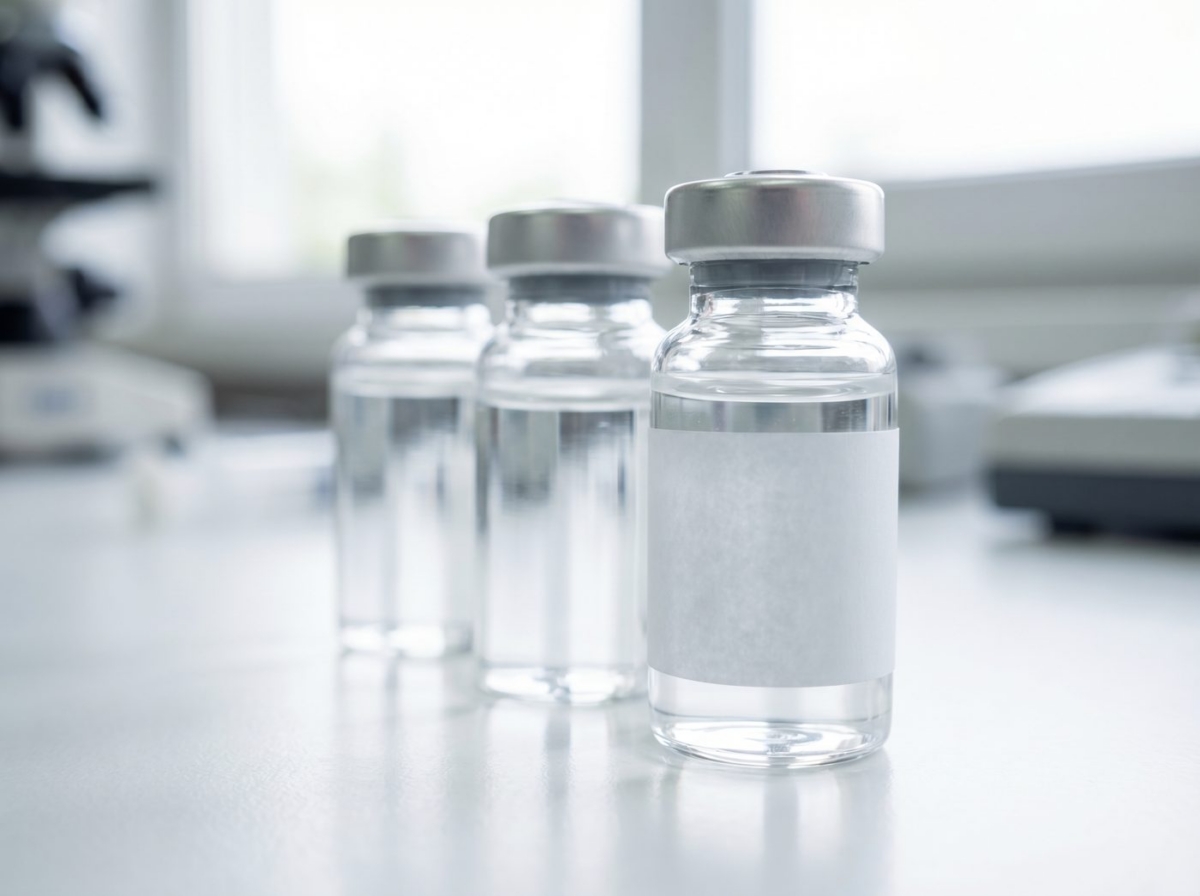
Facts First, Then the Next Right Step
Safety notices should lead to action, not panic.
For a patient, the next right step is to:
- Confirm the lot number.
- Stop using an affected vial.
- Get medical care for symptoms.
Providers should:
- Check their inventory for the affected lot numbers.
- Reach out to patients
- Contact the dispensing pharmacy.
PeptideMatch.io was created to provide patients with clear research on peptides and verified provider connections. When a headline raises concerns patients deserve context, transparency, and a provider who can walk them through the details.
Legal & Medical Disclaimer
The information provided on this page by PeptideMatch.io is intended solely for educational and informational purposes. It does not constitute, and should not be interpreted as, professional medical advice, diagnosis, or treatment. If you may have received a recalled product or have symptoms after an injection, contact a licensed physician or qualified health care provider promptly. PeptideMatch.io does not prescribe, dispense, or endorse any specific therapeutic protocol. Individual results may vary, and no outcomes are guaranteed.
© 2026 PeptideMatch.io. All Rights Reserved. This educational content is the exclusive intellectual property of PeptideMatch.io. Reproduction, distribution, republication, or transmission of this material, in whole or in part, in any form or by any means, is strictly prohibited without the prior written consent of PeptideMatch.io. For licensing or reprint inquiries, please contact content@peptidematch.io.
FAQ

The injectable glutathione recall applies to specific named products and lot numbers, not every injectable product or every type of peptide therapy. The first step is simply to check whether your product and lot number appear in the recall notice. If they do, stop using the product and follow the instructions from the dispensing pharmacy or your healthcare provider.
One product recall does not answer the safety question for every form of peptide therapy. This recall involved named glutathione-containing injectable products and a specific quality concern involving endotoxin levels. A helpful next step is to ask about the exact product, the pharmacy that dispensed it, the lot number, and how the practice handles safety notices.
Endotoxins are substances associated with certain bacteria. In an injectable product, elevated levels can cause an inflammatory reaction. That is why product sourcing, sterile preparation, quality checks, and recall procedures all matter when a medication is made for injection.
Check the product label for the product name and lot number, or contact the pharmacy or provider that dispensed it. The recall notice lists the affected lots and beyond-use dates. If your vial is from a named lot, do not use it and follow the pharmacy’s recall instructions.P
A peptide therapy clinic should be able to explain where an injectable product came from, which pharmacy dispensed it, how the product can be traced by lot number, and what happens if a recall affects a patient. Clear answers do not eliminate every question, but they show that the practice takes quality and patient safety seriously.
Related Posts

Everything you need to know about how therapeutic peptides work, how they are made, their safety and legal status, and the eight
Beginning a peptide protocol is a highly personalized patient journey, but even the best science needs a

What the FDA advisory committee vote means for patients, providers, and
Ready to take the next step?
Find a verified peptide therapy provider or list your practice and connect with patients actively seeking trusted care.